
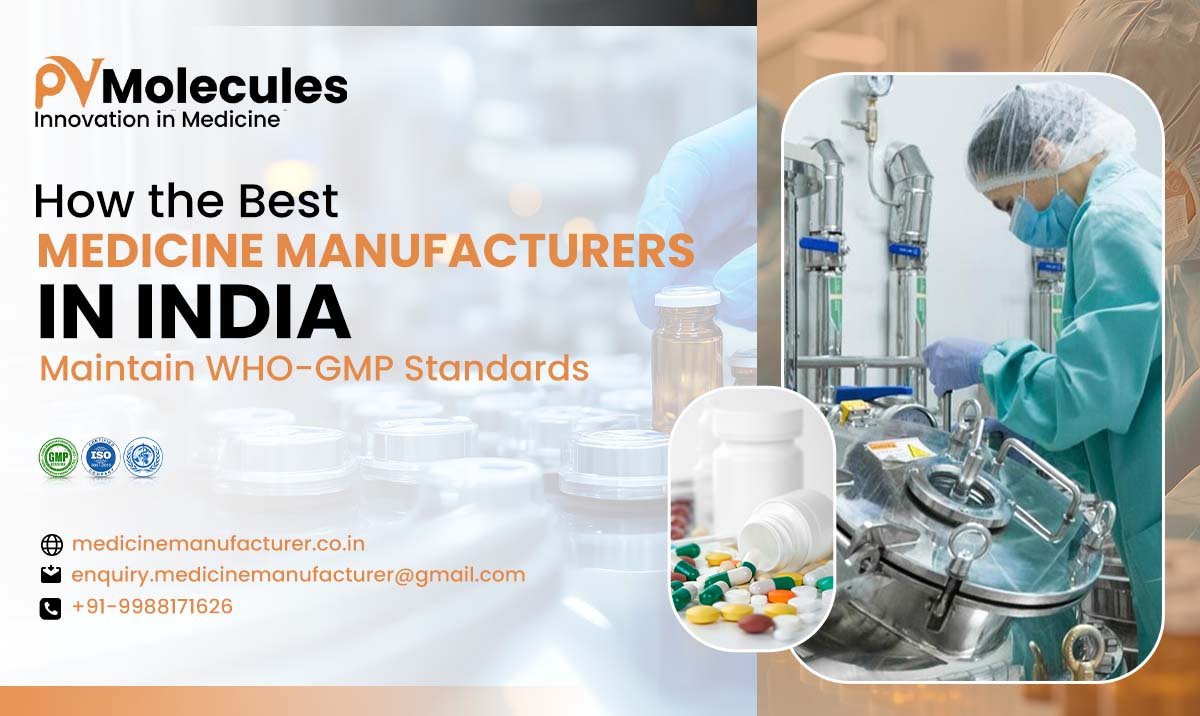
The Indian pharmaceutical sector is, without a doubt, one of the leading sectors globally. The country exports low-priced, good-quality medicines to other countries. Thus, following WHO-GMP is a necessity for this reason. According to the best medicine manufacturer in India, this accreditation goes beyond being a mere regulatory requirement. This indicates that every batch produced follows international norms for quality, safety, and efficacy. Maintaining such strict standards requires continuous investment, meticulous documentation, and a very deeply embedded culture of quality across the entire organization.
Therefore, third-party pharma manufacturers must be proactive, taking a systems-based approach. So that their facilities not only meet or exceed the guidelines regarding WHO-GMP but are also consistently doing so, not just at audit time.
Best Indian Medicine Manufacturer Long-Term Strategy for WHO-GMP Compliance
WHO-GMP compliance is achieved and, more importantly, sustained with a well-planned long-term approach. The best medicine manufacturer in India looks at quality not as a department, but as a foundational system ingrained at every level of operation. Second, the systemic approach ensures that product integrity is engineered early into the manufacturing process.
Creating a Robust, Enterprise-Class Quality Management System (QMS)
First comes the key to conformity, which is a comprehensive QMS. This is not just documentation but an operational system that outlines the responsibilities, procedures, and resources throughout the product’s life cycle. The QMS also ensures that every activity, from the procurement of raw materials to the release of the final product, is conducted in accordance with pre-approved, validated procedures.
Ongoing Training and Qualification of Staff
Secondly, human capital is the most important factor. Therefore, the best medicine manufacturing company in India heavily invests in regular training programs for all personnel on hygiene, standard operating procedures, and regulatory refresher training. Highly qualified personnel reduce human failure, which is a major cause of non-compliance and product risk.
Implementing Robust Change Control and Deviation Management Procedures
Manufacturing deviations and changes are inevitable. Thus, a good strategy requires an appropriate change control procedure that closely examines any modification for approval before implementation. Any deviation from an SOP should also be followed by an immediate investigation, documentation, and CAPA to prevent its recurrence.
Supply Chain Management for Total Raw Material Traceability
Finally, compliance starts at the start. For that reason, top medicine manufacturer in India maintain tight control of their supply chain, only buying ingredients from authorized, audited suppliers. In addition, every incoming batch of ingredients is carefully tested and fully traceable right back to its origin, thereby precluding the use of substandard or contaminated ingredients.
Meeting WHO-GMP Standards by the Top Medicine Manufacturer in India
WHO-GMP compliance is a multi-dimensional art; every physical and procedural aspect of manufacturing falls under it. The physical structure of the manufacturing facility itself must also prevent contamination and mix-ups. This involves single, one-way flows of people, materials, and waste. Air-handling systems (HVAC) are also essential, with multiple stages of filtration including HEPA filters and tight pressure differentials to protect sensitive areas of manufacturing. This control of the environment is under continuous monitoring to ensure constant product purity.
Above Audits: Ongoing Quality Improvement by the Best Medicine Manufacturer in India
A successful audit does not indicate the end of the journey to WHO-GMP; it is only the beginning there. The best medicine manufacturer in India understands that quality is a condition of continuous improvement. Where proactive prevention and resolution of potential defects are the need of the hour. This shifts the focus from mere compliance to being actively superior to the minimum standards.
Producers make use of a range of sophisticated internal tools to support the cycle of excellence. First, regular, self-directed internal audits parallel outside regulatory inspections. This will drive the team to find and fix flaws before they can become official findings. Second, a robust PQR program is conducted every year. This PQR statistically analyzes all batch records, deviations, OOS results, and stability data for all products. The resultant statistical analysis delineates underlying trends. This will help the management to effect reforms in formulations or processes based on data.
On top of that, the implementation of cutting-edge technologies, such as the integrated electronic Quality Management Systems (e-QMS), automates records. It quite easily handles deviations and allows monitoring in real time. Partnering with the best medicine manufacturing company in India, like PV Molecules, is indicative of such visionary commitment. This will allow the company’s processes to adapt to changing global regulations. But it also became the new standard for long-term compliance.
Final Thoughts
WHO-GMP certification is the final seal of quality for international pharmaceuticals. The best medicine manufacturer in India remains in this bracket through a practice of methodical management of quality, strict controls, and continuous development. Thus, with a fully compliant firm like PV Molecules, you will have the confidence that your products are of top standards in safety and efficacy.
Frequently Asked Questions (FAQs)
What is the primary objective of the WHO-GMP guidelines for pharmaceutical companies?
The fundamental purpose is to ensure that drugs are always produced and controlled to the quality levels appropriate for their intended use and safety.
Why is continuous training of employees so crucial for maintaining GMP compliance?
Constant training ensures that there is no human error. All personnel are on par with the latest changes in regulations and procedures.
How do Indian manufacturers ensure that their equipment meets the WHO standards?
They ensure this through diligent qualification of equipment, routine maintenance, and periodic, verifiable calibration of all measuring devices.